Books
 Many years ago, what I often call those “typewriter days,” I taught a writing class where I often warned my students about subsidy publishers. I always advised going the traditional route. What is a subsidy publisher? It’s a company that promises huge royalties (such as seventy percent of the retail price) and makes its authors pay thousands of dollars to be published. It’s not illegal, because these companies do follow-through with their publishing commitments.
However, no bookstores stock their books, which explains why they can promise huge royalties. Why don’t bookstores carry their titles? Because, so long as authors pay them, they publish every manuscript submitted to them regardless of the book’s literary quality. These publishers make money off the author, not off the few customers who buy their books.
As for traditional publishers, their royalty payments usually start at ten percent of a book’s retail price. Also, they don’t accept every manuscript that crosses their editors’ desks. Always on the lookout for well-written, marketable books, nowadays these publishers also consider the size of an author’s platform.
For some traditional publishers an author’s platform is the first thing they consider, something I recently learned at a writers’ conference. During the typewriter days, these publishers usually looked at an author’s literary background and bylines first. Oh, how things have changed!
Balanced Publishing
Fast forward to the “internet days.” Along came Amazon, Book Baby, Lulu, and similar self-publishers. Now anyone can have their work published. Because I’ve been published both ways, traditional and indie, I see advantages and disadvantages to each approach. So, why not go both routes? I would, and I do. Let some books find a traditional publisher, and let others be indie-published. This is a good balance between the two, I think.
What I love most about being indie published, though, is its freedom. Freedom to write what I want, and freedom from worry about query letters, synopses, outlines, searching for agents, etc. I know my book will be published…by me! Thus, I can focus even more on the quality of my writing. And herein lies the main problem I see with numerous indie books—so many are poorly written.
It’s imperative that we indie authors produce quality material written at a professional level. Amateur writing not only reflects badly on us, it also reflects badly on the self-publishing industry, and it hinders our chances that customers will purchase our future books.
Read the next section for tips on how to be a good indie author.
How to be a Good Indie Author
1. Study hard. Just because it’s become easier to get published doesn’t mean everyone should do it. Study the craft, practice the craft. Take writing classes, subscribe to writing magazines, read websites that discuss writing. We must learn everything we can about it.
2. Work hard. Revision holds the key to literary excellence but unless we know what things to look for, which comes through study, we won’t know what to change. Never be satisfied with a first, second, or even a third draft. Once we’ve finished our work, put it aside for a few weeks then return to it. It always surprises me how many things I catch that need fixing when I do this. Input from those in writers’ groups also helps.
3. Get bylines. What’s a byline? It’s the author’s name on a published work. When we reach the point where we can sell our work to traditional magazines and such, we know we’re starting to write at a professional level. It is then that we should consider going indie. This, of course, is my own opinion.
4. Find professionals. Once we’ve honed our manuscript to the best of our ability, hire these three professionals for the final touches: (1) Freelance editors, (2) cover designers, and (3) interior formatters.
Freelance Editors–If spelling and grammatical errors riddle our prose, our book shouts “amateur” at the top of its lungs. Another benefit of good freelance editors? They’ll offer us honest feedback that will help us improve our work.
Cover Designers–Don’t underestimate a book cover’s importance. Good covers prompt potential readers to open our book and consider purchasing it.
Interior Formatters–Finally, if the book’s interior formatting is shoddy, “amateur” once again sounds loud and clear.
Where’s a good place to find these professionals? I recommend upwork.com.
Well, much more could be said on this subject. I may have more to say in future posts. Meanwhile, what are your thoughts on this subject?
Till next time, folks. Have a great week!






 Has anyone ever told you that you write like you talk? That’s a great thing to hear if they did. Indeed, it’s a compliment, because good writing carries with it a conversational, natural-sounding style, whereas poor writing is stilted and sounds forced. Stilted writing bores readers, whereas conversational writing pleases them, thus encouraging them to keep reading.
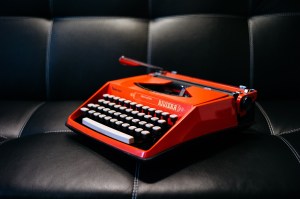 On the other hand, it had become such a passion that I gave up certain activities in order to pursue it. My biggest activity I gave up was my Saturday golf outings with friends. They didn’t understand. No one did. But that’s all right. The Lord has enabled me through all these years to “roll with the punches.”
